Girl with Rhinitis, Fever and Sneeze. Fl: Understanding Flu Symptoms in Children and How to Respond Effectively
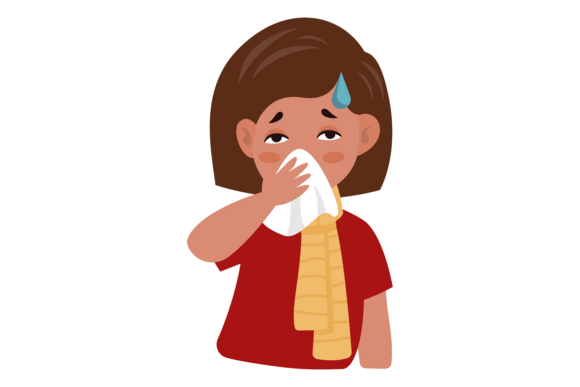
When a child presents with rhinitis (a runny or stuffy nose), fever, and frequent sneezing, it’s often one of the earliest and most recognizable signs of influenza — commonly referred to as “the flu.” The phrase Girl with Rhinitis, Fever and Sneeze. Fl isn’t just a descriptive title for medical illustrations — it represents a real-world clinical snapshot used by healthcare providers, educators, and public health communicators to quickly signal key flu symptoms in pediatric cases. This visual shorthand appears across disease prevention materials, including vector cartoon flat-style infographics and EPS/JPG medical icons designed for clarity, accessibility, and rapid recognition.
Why Recognizing These Symptoms Early Matters
Children — especially those under age 5 — are more vulnerable to flu complications than healthy adults. Rhinitis, fever, and sneezing may seem mild at first, but they can rapidly progress to cough, fatigue, muscle aches, or even secondary infections like otitis media or pneumonia. Early identification allows caregivers and clinicians to act swiftly: initiating supportive care, considering antiviral treatment within the 48-hour window, and preventing transmission to siblings, classmates, or immunocompromised family members.
The Girl with Rhinitis, Fever and Sneeze. Fl illustration serves a practical purpose beyond aesthetics. As a vector-based, flat-style, isolated icon, it’s optimized for use in digital health tools, school wellness posters, telehealth intake forms, and multilingual public health campaigns. Its clean design ensures legibility on small screens and printouts alike — supporting consistent, evidence-based communication across diverse settings.
What Parents and Caregivers Need to Know
If your child exhibits rhinitis, fever, and sneezing — particularly during flu season (October through March in the Northern Hemisphere) — consider these actionable steps:
- Monitor temperature closely: A fever above 100.4°F (38°C) in infants under 3 months warrants immediate medical attention. For older children, watch for fever duration (more than 3–4 days), lethargy, difficulty breathing, or refusal to drink.
- Support hydration and rest: Offer frequent sips of water, oral rehydration solutions, or warm broths. Avoid sugary drinks that may suppress immune response.
- Use symptom-relief strategies wisely: Saline nasal spray and suctioning help ease rhinitis in young children. Acetaminophen or ibuprofen (per weight-based dosing) can reduce fever and discomfort — but never give aspirin to children due to Reye’s syndrome risk.
- Know when to call a provider: Seek guidance if symptoms worsen after initial improvement, if high fever persists, or if your child shows signs of dehydration (e.g., no tears when crying, fewer wet diapers, dry mouth).
How Medical Illustrations Like “Girl with Rhinitis, Fever and Sneeze. Fl” Support Real-World Care
You might wonder how a cartoon-style vector icon connects to clinical decision-making. In practice, visuals like Girl with Rhinitis, Fever and Sneeze. Fl bridge critical gaps:
- For parents: They simplify complex information — turning “influenza-like illness” into an instantly recognizable image that reinforces what to watch for.
- For school nurses and daycare staff: These icons appear on quick-reference flowcharts that guide isolation protocols and parent notification procedures.
- For public health teams: Flat-style EPS and JPG files scale seamlessly across billboards, social media graphics, SMS alerts, and translated handouts — ensuring consistent messaging regardless of language or literacy level.
Because the illustration is isolated and vector-based, designers can easily recolor it for accessibility (e.g., high-contrast versions for low-vision users) or adapt it for culturally responsive materials — such as swapping clothing or hair style while preserving clinical accuracy.
Prevention Is the First Line of Defense
While recognizing Girl with Rhinitis, Fever and Sneeze. Fl helps manage active illness, prevention remains the most effective strategy. Annual flu vaccination is recommended for everyone 6 months and older — including household contacts of young children. Vaccination reduces flu severity, lowers hospitalization risk, and helps curb community spread.
Pair immunization with everyday habits:
- Teach proper handwashing (20 seconds with soap and water, especially after sneezing or using the restroom).
- Encourage respiratory etiquette — covering coughs and sneezes with a tissue or elbow, not hands.
- Disinfect high-touch surfaces regularly (doorknobs, toys, tablets) during peak flu season.
- Keep sick children home until fever-free for at least 24 hours without medication — this aligns with CDC guidelines and supports broader disease prevention efforts.
Different Needs, Different Approaches
How people engage with content like Girl with Rhinitis, Fever and Sneeze. Fl varies meaningfully:
- Healthcare professionals may download the EPS file to integrate into electronic health record templates or patient education handouts — ensuring visual consistency with clinical terminology.
- School administrators might use the JPG version in staff training modules, pairing it with action checklists for managing classroom outbreaks.
- Parents browsing health websites benefit from seeing the same friendly, non-threatening illustration alongside plain-language advice — reducing anxiety and increasing trust in recommendations.
- Non-native English speakers rely heavily on universally understood visuals; a well-designed Girl with Rhinitis, Fever and Sneeze. Fl icon conveys meaning faster than translated text alone.
Making It Work for Your Situation
Whether you're designing a clinic poster, updating a school wellness policy, or simply trying to understand your child’s symptoms, keep these considerations in mind:
- Context matters: An illustration labeled “Flu” should always be paired with clear, up-to-date guidance — not standalone diagnosis.
- Accuracy over artistry: While flat cartoon style improves engagement, clinical fidelity is essential. Rhinitis shouldn’t be confused with allergic rhinitis; fever patterns and associated symptoms must reflect typical influenza presentation.
- Accessibility is non-negotiable: Ensure alt-text describes the image meaningfully (“Cartoon girl with runny nose, flushed cheeks, and mid-sneeze — representing common flu symptoms in children”) for screen readers.
- Update regularly: Flu strains evolve. Visuals and accompanying text should reflect current CDC and WHO guidance — especially around vaccination eligibility and antiviral recommendations.
Ultimately, Girl with Rhinitis, Fever and Sneeze. Fl is more than a stock image — it’s a tool for clarity, empathy, and timely action. When grounded in sound medical knowledge and deployed with intention, it helps turn awareness into protection, confusion into confidence, and symptoms into solutions.